
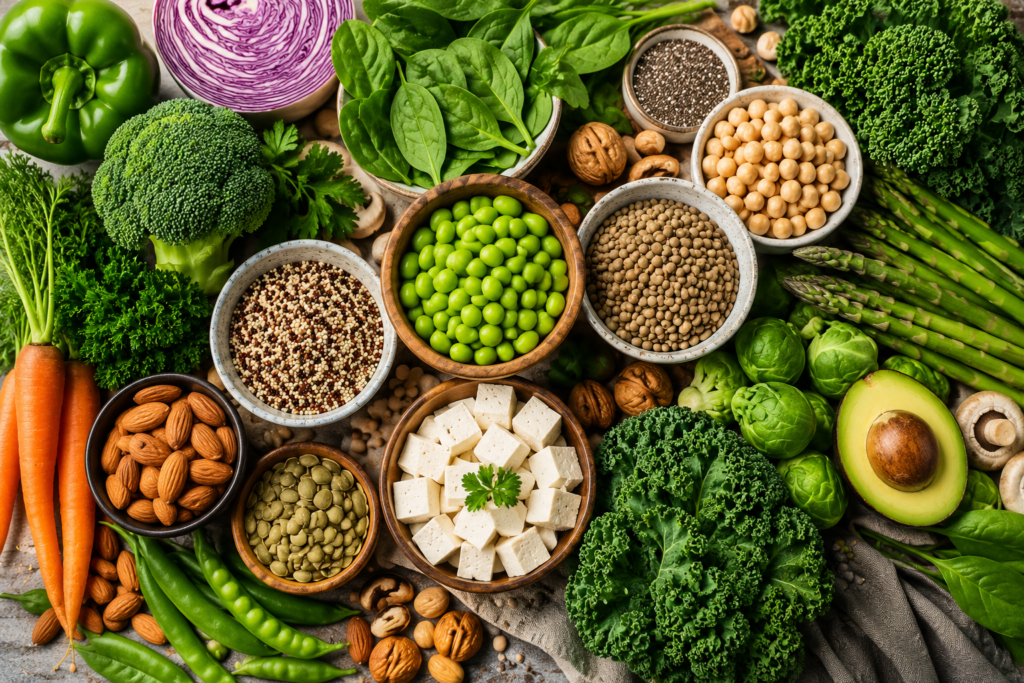
When people think about protein, the first thing that usually comes to mind is meat, eggs, or chicken. But do vegetables actually have a place in that conversation?
The answer is yes, and way more than most people realize.
Some vegetables carry a surprisingly high amount of protein, on top of fiber, vitamins, and minerals that benefit your whole body. And the best part: adding them to your routine doesn’t have to be complicated.
In this article, you’ll discover:
- 7 protein-rich vegetables worth adding to your diet
- Why they deserve more space on your plate
- Simple tips on how to prepare each one
Let’s dive in.
Why Bother With Plant-Based Protein?
Before we get to the list, it’s worth understanding why this matters.
Protein is essential for pretty much everything in the body: building muscle, producing enzymes, supporting immune function, and even regulating hormones. But relying only on animal sources can make your diet less varied, and lower in fiber.
Adding protein-rich vegetables to your routine comes with a few extra perks:
- More fiber, which supports digestion and helps you feel fuller longer
- Less saturated fat compared to many animal sources
- Greater nutrient variety on your plate
- An easy option for anyone looking to cut back on meat
Now let’s get into the vegetables that deserve a permanent spot in your diet.
1. Broccoli
It might come as a surprise, but broccoli packs a solid amount of protein for a vegetable, on top of being rich in fiber, vitamin C, and antioxidants.
How to add it: sautéed with garlic and olive oil, steamed as a side dish, or even raw in salads, finely chopped.
2. Spinach
Spinach is famous for its iron content, but it also delivers a decent protein punch, especially compared to other leafy greens.
How to add it: blended into green juices, sautéed as a side, or mixed into omelets and soups.
3. Peas
Peas tend to fly under the radar, but they’re actually one of the higher-protein vegetables you’ll find in everyday cooking.
How to add it: tossed into salads, served alongside rice, or blended into creamy soups and purees.
4. Brussels Sprouts
Beyond protein, Brussels sprouts stand out for their fiber content and compounds that support digestive health.
How to add it: roasted in the oven with olive oil and herbs is one of the tastiest ways to prepare them.
5. Corn
Yes, corn made the list. It offers a solid amount of protein, along with quality carbs and fiber.
How to add it: boiled, grilled, tossed into salads, or used in recipes like cornbread (in moderation, of course).
6. Asparagus
Asparagus combines low calories with a decent protein content, plus B vitamins that support energy metabolism.
How to add it: grilled, steamed, or wrapped in thin slices of cheese and baked.
7. Potatoes
Potatoes are usually seen as just a carb source, but they also contribute protein, especially when eaten with the skin on.
How to add it: baked, boiled, or mashed, always favoring preparation methods with less added fat.
How to Build a Balanced Plate With These Vegetables
Adding these vegetables to your diet doesn’t have to be complicated. A few simple tips help a lot:
- Combine different vegetables from this list in the same meal to add up your total protein intake
- Add a healthy fat source, like olive oil, which helps with vitamin absorption
- Vary your preparation methods between raw, boiled, roasted, and sautéed, so you don’t get bored
- Pair with grains and legumes, like brown rice, quinoa, or beans, to round out your amino acid profile
Can Vegetables Fully Replace Animal Protein?
That’s a common question, and the answer depends on each person’s individual context.
Protein-rich vegetables make a great addition and can absolutely be part of a balanced diet, especially when combined with each other and with other plant sources, like legumes and grains. For anyone looking to cut back on meat or simply diversify their plate, they’re a solid ally.
What matters most is paying attention to your own individual needs, and if you have specific questions about ideal protein intake, it’s worth checking in with a registered dietitian.
The Bottom Line
Plant-based protein is real, and it’s probably already sitting in your fridge more than you realized. Broccoli, spinach, peas, and the other vegetables on this list prove that you can diversify your diet without giving up important nutrients.
The secret is combining foods well and building the habit of including these vegetables in your routine, without turning it into a chore.
👉 If this article helped you see vegetables in a new light, save it for your next grocery run or share it with someone who’s also looking to diversify their plate.
This article is for informational purposes only and is not a substitute for guidance from a registered dietitian or healthcare professional. Consult a specialist for personalized dietary recommendations.
Leave a Reply