
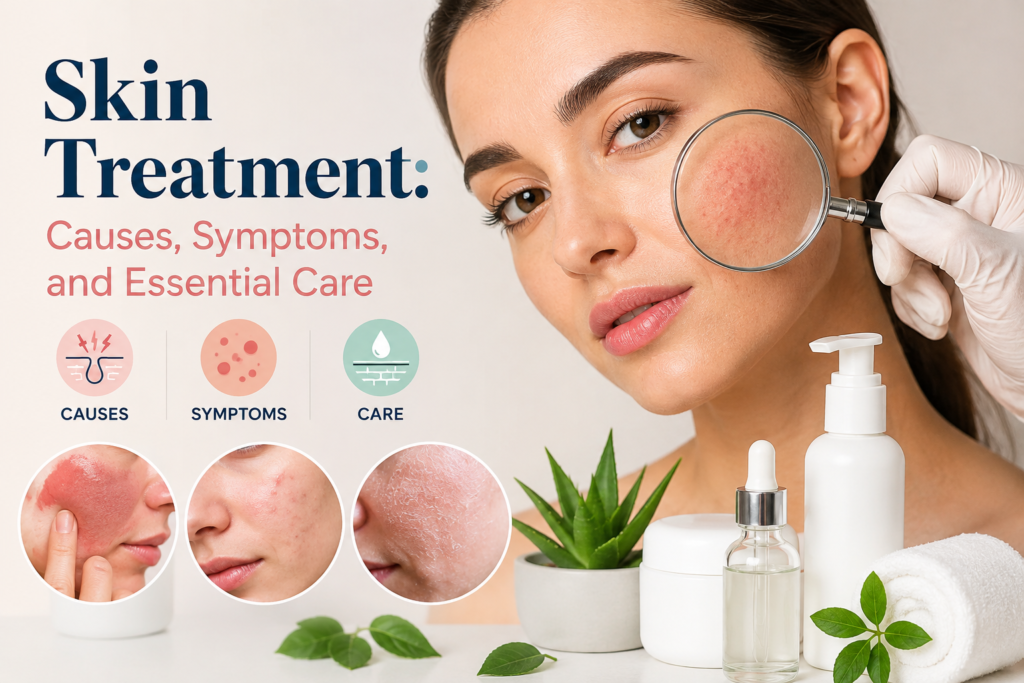
Have you ever noticed redness, itching, or dryness on your skin and wondered whether it was something temporary or a sign to pay attention to?
Skin is the largest organ in the human body, responsible for essential functions like protection, temperature regulation, and vitamin D production. That’s why taking care of it goes far beyond aesthetics.
In this article, you’ll understand the main causes of skin problems, the most common symptoms, and which care practices actually make a difference for your skin’s health. Let’s get straight to the point.
Why Skin Health Deserves Attention
According to data from the Brazilian Society of Dermatology (SBD), about 40% of the Brazilian population suffers from some type of dermatological condition. This number shows how much more common skin problems are than we tend to imagine.
Dermatological diseases are extremely common, affecting about 1 in 3 people at some point in their lives, with severity that varies widely — from mild conditions that don’t affect overall health to more serious cases.
Important: this content is for educational purposes. Diagnosis and treatment of any skin condition should always be done by a dermatologist.
Main Causes of Skin Problems
There are several causes of skin problems, but most tend to be triggered by external factors, such as excessive sun exposure, contact with irritating chemical substances, and bacterial or fungal infections.
Internal factors, meanwhile, include genetic predisposition, hormonal imbalances, and autoimmune disorders.
Generally speaking, causes can be grouped into:
- Environmental factors: sun exposure, pollution, and climate changes.
- Genetic factors: hereditary predisposition to certain conditions.
- Infections: caused by viruses, fungi, or bacteria.
- Allergic reactions: contact with irritants or allergens.
- Autoimmune disorders: when the immune system attacks the skin’s own cells.
Most Common Symptoms Worth Paying Attention To
Some signs are common across several dermatological conditions, such as itching (pruritus), changes in skin color — usually associated with inflammatory processes — and skin flaking, common in conditions like psoriasis.
Other symptoms worth paying attention to include:
- Persistent redness
- Dryness or flaking
- Spots or changes in pigmentation
- Blisters or wounds that don’t heal
- A burning or stinging sensation
- Localized swelling
Note: wounds that don’t heal, changes in the color or texture of moles, and intense, persistent itching are warning signs that deserve immediate medical evaluation.
Most Common Skin Conditions
Now let’s go through, in summary, some of the most frequent dermatological conditions.
1. Acne
Acne is a common skin inflammation, one of the most frequent conditions, showing up as pimples, blackheads, and excess oiliness. It’s more common during adolescence, but can appear at any age.
2. Atopic Dermatitis (Eczema)
Causes symptoms like redness, swelling, itching, dryness, and a burning sensation in the affected area.
3. Psoriasis
An inflammatory skin disease that causes red patches or plaques, itching, burning, and dry or cracked skin, mainly on the arms, elbows, hands, legs, and scalp.
4. Fungal Infections (Ringworm/Athlete’s Foot)
Fungal infections that can cause redness, itching, and flaking in the affected area.
5. Rosacea
A chronic inflammatory condition that usually causes persistent redness, mainly on the face.
6. Melasma
A dermatological condition that mainly affects women, characterized by the appearance of dark patches on the skin, especially on the face.
How Diagnosis Is Made
Diagnosis of skin conditions is made by a dermatologist, who evaluates symptoms, medical history, and performs a physical exam.
When a visual exam doesn’t provide a clear answer, the doctor may order additional tests, such as a skin biopsy, culture to identify bacteria, fungi, or viruses, and specific tests under ultraviolet light.
Essential Care for Skin Health
Now let’s get to the practical part. Some simple habits help keep skin healthier and prevent various problems.
1. Protect Yourself from the Sun
Daily use of sunscreen is one of the most effective measures to prevent skin damage, including premature aging and skin cancer risk.
2. Keep Your Skin Clean
Gentle skin cleansing is an essential practice, especially for those prone to acne or oiliness.
3. Moisturize Regularly
Proper hydration helps maintain the skin’s natural barrier, preventing dryness and irritation.
4. Avoid Harsh Products
Products with strong detergent action can irritate the skin and worsen existing conditions.
5. Maintain a Balanced Diet
A nutrient-rich diet contributes to skin health from the inside out.
6. Watch for Changes
Noticing signs like new spots, changes in existing moles, or wounds that don’t heal is essential for catching problems early.
Practical tip: proper care is essential to keep skin healthy and resilient against daily impacts, such as premature aging, pollution, and sun exposure, factors that accelerate cellular wear.
When to See a Dermatologist
Changes in the color, texture, or appearance of the skin, wounds that don’t heal, and intense itching are warning signs to seek evaluation from a dermatologist.
As a preventive measure, it’s recommended to have dermatological checkups annually, or whenever you notice something different about your skin.
Conclusion: Taking Care of Your Skin Is Taking Care of Your Health
A dermatologist identifies skin problems before they progress and guides the right treatment. A simple, consistent care routine makes all the difference.
Pay attention to the signs your skin shows, maintain consistent care habits, and don’t hesitate to seek professional evaluation for any persistent symptom.
Enjoyed this content? Share it with someone who also needs to learn more about skin health, and keep following the blog for more trustworthy content on health and well-being.
Leave a Reply