
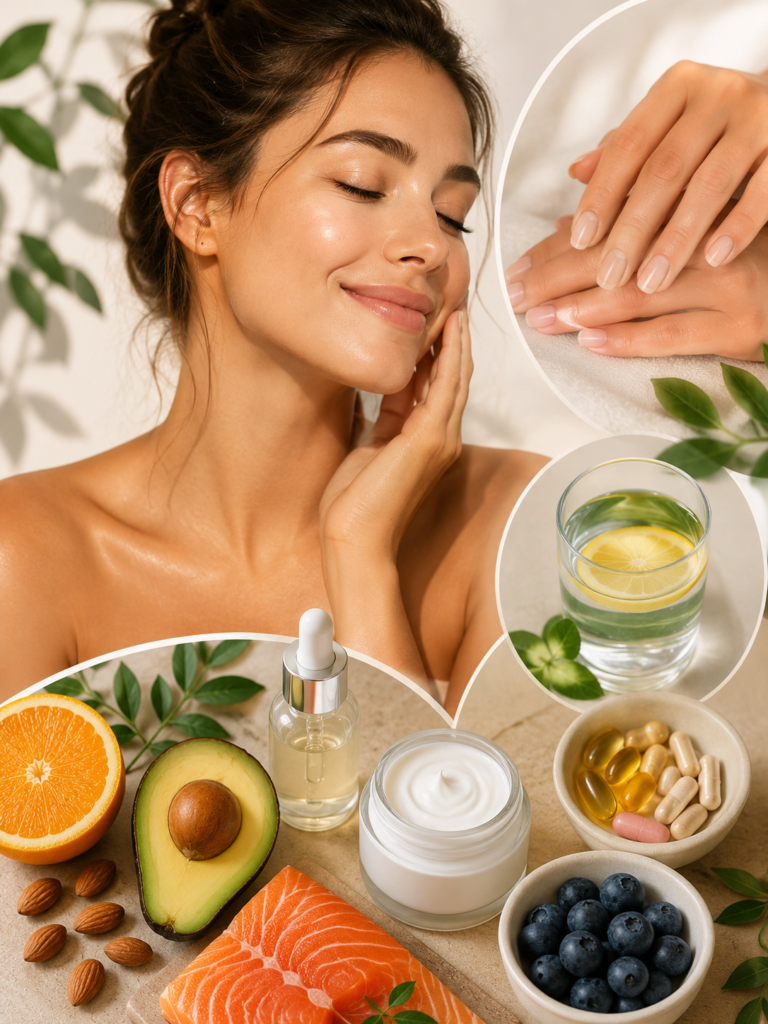
Brittle, weak nails. Dull, lackluster skin. Ever notice how these signs tend to show up together?
That’s not a coincidence. Skin and nails have a lot in common: both reflect your overall health pretty directly. External care helps, but the real foundation lies in consistent habits, both outside and inside the body.
In this article, you’ll discover:
- Why nails and skin deserve special attention
- Essential nutrients for healthy skin and nails
- Practical daily care tips
- Signs that deserve professional attention
Let’s get started.
Why Skin and Nail Care Goes Beyond Aesthetics
It’s easy to think of skin and nail care as purely cosmetic, but the truth is both play important functional roles in the body.
Skin is the largest organ in the human body and acts as a protective barrier against bacteria, pollution, and temperature changes. Nails, meanwhile, protect your fingertips and can also serve as an early indicator of changes in your overall health.
When signs like brittle nails, dry skin, spots, or visible weakness show up, it’s worth taking a closer look at your habits and diet.
Essential Nutrients for Healthy Skin and Nails
1. Protein
Both skin and nails are made up primarily of proteins, like collagen and keratin. A diet low in protein can directly show up as weak nails and less firm skin.
2. Biotin (Vitamin B7)
Biotin is widely associated with nail and hair health, playing a role in metabolic processes linked to healthy cell growth.
3. Vitamin C
Beyond supporting immune function, vitamin C is essential for collagen production, the protein responsible for skin firmness and elasticity.
4. Zinc
Zinc plays a role in cell renewal and wound healing, making it important for both skin health and nail strength.
5. Fatty Acids (Omega-3 and Omega-6)
These healthy fats help maintain the skin’s natural hydration and help reduce inflammatory processes that can affect its appearance.
Practical Tips for Daily Skin Care
- Stay hydrated throughout the day. Water is essential for keeping skin looking healthy
- Wear sunscreen daily, even on cloudy days, to prevent sun damage
- Get enough sleep. A significant part of skin’s cell renewal happens while you sleep
- Avoid long, very hot showers, which can dry out skin
- Choose products suited to your skin type, avoiding overly harsh ingredients
Practical Tips for Stronger Nails
- Avoid excessive contact with cleaning products without protection, wear gloves when washing dishes or cleaning
- Moisturize your cuticles regularly with oils or specific creams
- Avoid aggressively cutting or pushing back cuticles, which can weaken nails and increase infection risk
- Take breaks from nail polish and acetone-based removers, which can dry out nails
- Trim nails carefully, avoiding cuts that are too short or the wrong shape
When Nails and Skin Need Professional Attention
Some signs deserve evaluation from a dermatologist and shouldn’t be ignored:
- Spots that change color, size, or shape on the skin
- Nails with persistent changes in color, thickness, or shape
- Excessive flaking or intense itching on the skin
- Wounds that take a long time to heal
- Nails separating from the nail bed without an obvious explanation
These signs can point to anything from nutritional deficiencies to health conditions that require specific treatment.
External and Internal Care Go Hand in Hand
A common mistake is focusing only on external care, creams, polish, cosmetic treatments, while overlooking the internal foundation that supports healthy skin and nails.
Ideally, you’d combine:
- A balanced diet, rich in the nutrients mentioned above
- Good hydration
- Quality sleep
- Topical care suited to your skin type and nail condition
The Bottom Line
Healthy skin and nails don’t depend on one miracle product. They reflect a combination of habits, balanced nutrition, hydration, sleep, and proper topical care, maintained consistently over time.
Small adjustments to your routine can make a noticeable difference within just a few weeks.
👉 If this article helped you, save it as a reminder for whenever you need it, or share it with someone who’d also like to improve their skin and nail health.
This article is for informational purposes only and is not a substitute for evaluation by a dermatologist. If you notice persistent changes in your skin or nails, please consult a qualified professional.
Leave a Reply