
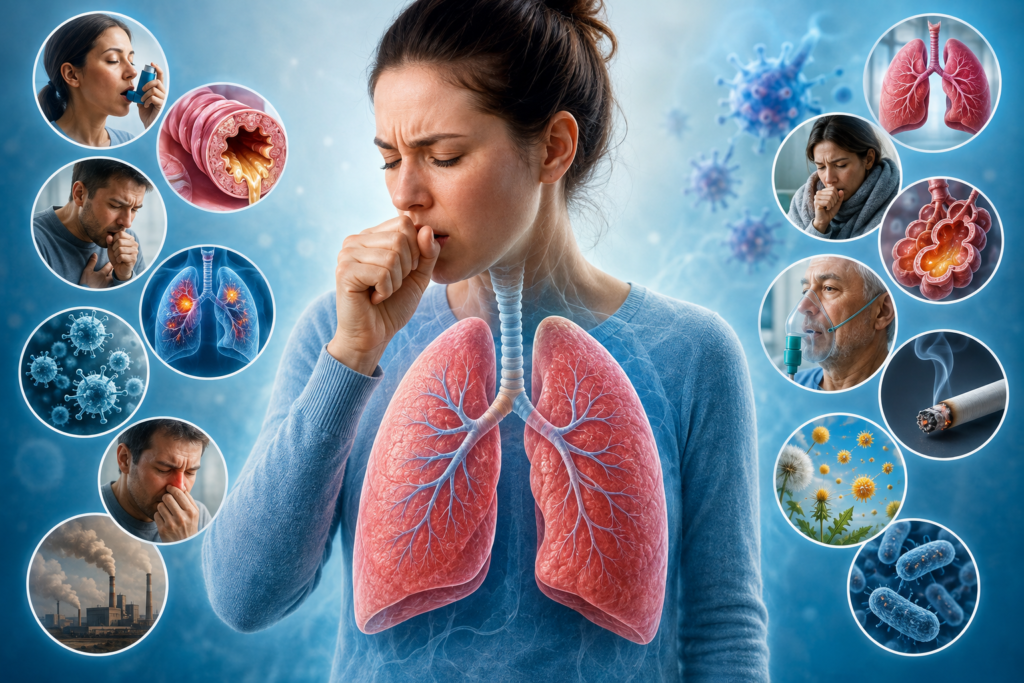
Did you know that respiratory diseases are among the leading causes of health problems worldwide?
They affect people of all ages and can range from simple issues, like a common cold, to more complex chronic conditions. That’s why knowing the main respiratory diseases helps you identify symptoms, seek treatment at the right time, and take better care of your health.
In this article, you’ll learn about the 15 most common respiratory diseases, their main symptoms, and why paying attention to this topic matters so much. Let’s get straight to the point.
Why Understanding Respiratory Diseases Matters So Much
The respiratory system is essential for the body to function, since it’s responsible for the gas exchange between the environment and the bloodstream. When this system is affected, it can directly impact your quality of life and energy.
Generally speaking, respiratory diseases can be classified into two groups:
- Acute: start quickly and are usually treated within up to three months.
- Chronic: develop gradually and can last more than three months, sometimes for a lifetime.
Important: this content is for educational purposes and does not replace medical evaluation. Diagnoses and treatments should always be handled by a qualified healthcare professional.
The 15 Main Respiratory Diseases
Now let’s go through, in summary, the most common respiratory conditions.
1. Common Cold
Usually caused by rhinovirus, it tends to cause an itchy nose, sneezing, runny nose, and nasal congestion, without fever in most cases.
2. Flu (Influenza)
Caused by the Influenza virus, it causes fever, sore throat, cough, and body aches, and can last 7 to 10 days.
3. COVID-19
Caused by the SARS-CoV-2 coronavirus, it presents with variable symptoms, including high fever, headache, malaise, and dry cough, and can progress to more severe cases in some instances.
4. Rhinitis
A chronic disease characterized by inflammation of the nasal lining, usually caused by allergies to dust mites, dust, or animal dander. Symptoms include itchy nose, runny nose, sneezing, and coughing.
5. Sinusitis
Inflammation of the sinuses, which can be caused by allergic or infectious processes. Symptoms include facial and head pain, runny nose, cough, and eye sensitivity.
6. Tonsillitis
Usually of viral or bacterial origin, it causes fever, intense sore throat, swollen tonsils, and in some cases, nausea and abdominal pain.
7. Acute Bronchitis
A short-duration inflammation of the bronchi, with symptoms such as cough, mucus production, sore throat, and chest discomfort.
8. Chronic Bronchitis
Unlike the acute form, this is a long-lasting condition, frequently associated with prolonged exposure to irritants, such as smoking.
9. Bronchiolitis
More common in young children, it’s mainly caused by respiratory syncytial virus (RSV), causing nasal congestion, cough, fever, and fatigue.
10. Asthma
A chronic condition characterized by inflammation and narrowing of the airways. Symptoms include wheezing, shortness of breath, and cough, and it can be triggered by both genetic and environmental factors.
11. Pneumonia
An infection that affects the lungs, causing productive cough, shortness of breath, fever, and chills. It can present severe cases, requiring immediate medical attention.
12. Pulmonary Emphysema
A chronic, progressive disease that causes destruction of the pulmonary alveoli, making gas exchange harder. It’s more common in smokers and people with a history of tuberculosis.
13. Chronic Obstructive Pulmonary Disease (COPD)
A progressive condition that causes difficulty breathing, cough, wheezing, and fatigue. It’s one of the chronic respiratory diseases most closely associated with smoking.
14. Cystic Fibrosis
A genetic disease that causes chronic cough, shortness of breath, and frequent lung infections, requiring ongoing medical follow-up.
15. Lung Cancer
One of the cancers most associated with the respiratory system, frequently linked to smoking, but which can also have other associated risk factors.
Symptoms Worth Paying Attention To
While each condition has specific characteristics, some general signs deserve special attention:
- Persistent cough lasting more than a few weeks
- Shortness of breath, even during light activities
- High or recurring fever
- Chest pain
- Excessive tiredness with no apparent explanation
If you experience any of these symptoms persistently, seeking medical evaluation is essential.
How to Reduce the Risk of Respiratory Diseases
While not every condition can be prevented, some habits help reduce risks related to respiratory health:
- Avoid smoking, one of the main risk factors for several respiratory diseases.
- Keep vaccinations up to date, especially against flu and other respiratory infections.
- Take care of indoor air quality.
- Exercise regularly, strengthening lung capacity.
- Wash your hands frequently, reducing the risk of viral and bacterial infections.
Practical tip: taking care of respiratory health is closely tied to overall health habits, such as balanced nutrition, physical activity, and cleaner, well-ventilated environments.
When to See a Doctor
Persistent symptoms, difficulty breathing, high fever that doesn’t improve, or chest pain are signs that require immediate medical evaluation. A correct diagnosis is essential to guide the appropriate treatment for each condition.
Conclusion: Knowledge Is the First Step Toward Care
Knowing the main respiratory diseases helps you identify symptoms more quickly and seek medical help at the right time.
Take care of your respiratory health with attention: small daily habits make a difference in prevention, and medical follow-up remains essential for any persistent symptom.
Enjoyed this content? Share it with someone who also needs to learn more about respiratory health, and keep following the blog for more practical, trustworthy health content.
Leave a Reply