
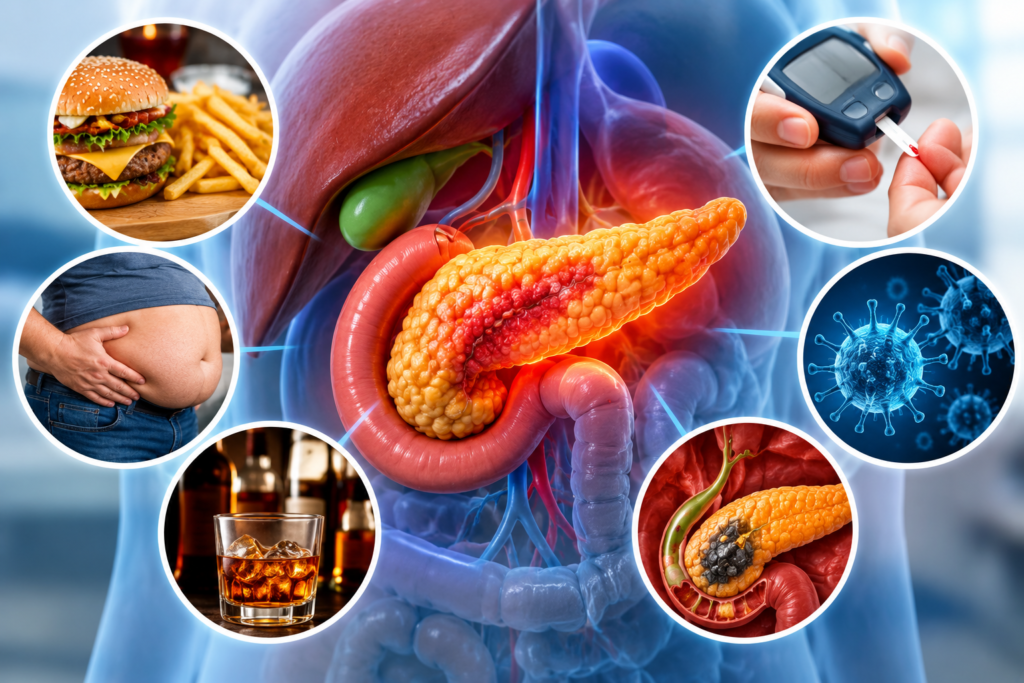
The pancreas is one of those organs that works quietly behind the scenes, without asking for much attention — until something goes wrong. It’s essential for digestion and for controlling blood sugar, but everyday habits can gradually harm its function, often without you even noticing.
In this article, you’ll learn:
- What experts say is most likely to disrupt proper pancreas function;
- Which habits and conditions are usually behind this problem;
- What you can do to protect this vital organ.
Let’s break it down together, simply and clearly. 😊
Why Is the Pancreas So Important?
The pancreas has two main functions:
- Digestive function: it produces enzymes that help digest fats, proteins, and carbohydrates;
- Hormonal function: it produces insulin and glucagon, hormones essential for regulating blood sugar levels.
When the pancreas doesn’t work properly, it can affect both digestion and blood sugar control — directly impacting quality of life.
What Stops the Pancreas From Working Properly?
According to experts, a few key factors are considered the main culprits behind impaired pancreas function over time:
1. Excessive Alcohol Consumption
Alcohol is considered one of the biggest threats to pancreatic health. Frequent, excessive drinking can trigger inflammation in the organ (pancreatitis), which, if it happens repeatedly over the years, can progress into a chronic condition that’s harder to reverse.
2. A Diet High in Fat and Ultra-Processed Foods
Diets loaded with fried foods, processed products, and saturated fats put extra strain on the pancreas, which has to produce more digestive enzymes to keep up with the demand. Over time, this ongoing overload can wear the organ down.
3. Obesity and Excess Abdominal Fat
Excess weight, especially fat accumulated around the abdomen, is linked to a higher risk of insulin resistance — which forces the pancreas to work overtime to produce more insulin, potentially leading to earlier wear and tear.
4. Gallstones
Gallstones can migrate and block the duct connecting the pancreas to the intestine, causing acute inflammation (gallstone pancreatitis). This is actually one of the most common causes of acute pancreatitis.
5. Very High Triglycerides
Very high blood triglyceride levels are also among the known causes of pancreatic inflammation. Keeping this number under control is an important form of protection.
6. Smoking
Smoking is directly linked to a higher risk of pancreatic problems, including chronic inflammation and other more serious conditions. Cigarettes also amplify alcohol’s negative effects on the organ.
7. Certain Medications and Genetic Factors
Some specific medications and genetic conditions can also affect how well the pancreas works. That’s why it’s always important to share your full health history with your doctor before starting any new treatment.
Signs That Your Pancreas May Not Be Working Well
While only a healthcare professional can make a diagnosis, some signs may be worth looking into:
- Pain in the upper abdomen that may radiate to the back;
- Frequent nausea or vomiting;
- Unexplained weight loss;
- Greasy stools or stools with a very strong odor;
- Persistent fatigue;
- Changes in blood sugar levels.
If you notice one or more of these signs, especially in combination, it’s a good idea to seek medical evaluation.
How to Take Care of Your Pancreas Every Day
The good news is that many of these risk factors can be managed with simple lifestyle changes:
- Cut back on alcohol, or avoid it altogether;
- Choose natural foods and limit fried and ultra-processed products;
- Maintain a healthy weight through balanced eating and regular exercise;
- Keep your triglyceride levels in check with medical support;
- Avoid smoking;
- Get routine checkups, especially if you have risk factors like diabetes or a family history.
Final Thoughts
The pancreas works quietly, but habits like excessive alcohol consumption, poor diet, obesity, and smoking can gradually compromise its function. The good news is that most of these factors are within your control.
If you’ve noticed any warning signs or have risk factors, don’t wait: talk to a doctor for a full evaluation. Small changes in habit today can help protect your pancreas for years to come. 💛
This article is for informational purposes only and is not a substitute for medical advice. Always consult a qualified healthcare professional for diagnosis and guidance specific to your situation.
Leave a Reply