
Did you know that many people live with type 2 diabetes for years without even knowing they have it?
That’s because this condition tends to be silent in its early stages, which makes knowing its symptoms even more important.
In this article, you’ll understand what type 2 diabetes is, how it develops in the body, and which signs deserve attention. Let’s get straight to the point.
What Type 2 Diabetes Really Is
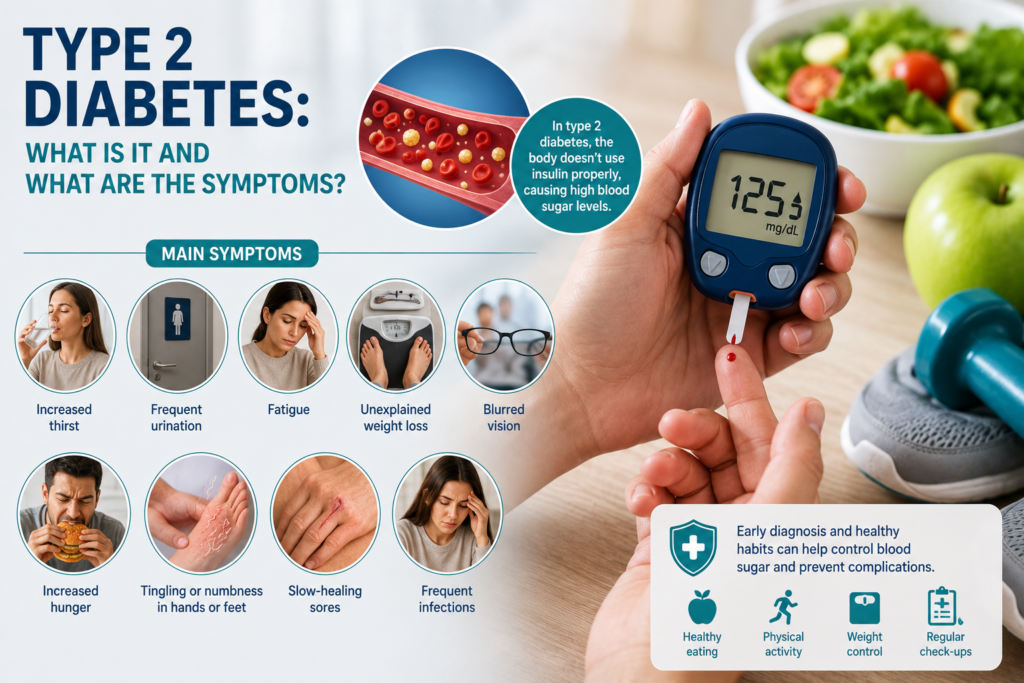
Type 2 diabetes is a metabolic disease characterized by hyperglycemia, meaning elevated blood glucose levels.
It’s caused by the body’s resistance to insulin, the hormone responsible for allowing glucose to enter cells and be used as energy. To compensate for this resistance, the pancreas starts producing more insulin — but over time, this overload wears down the organ, causing glucose levels to keep rising.
It’s the most common form of diabetes, accounting for about 90% of cases worldwide.
Important: this content is for educational purposes. Diagnosis of type 2 diabetes should always be made by a doctor, based on specific lab tests.
Why Type 2 Diabetes Often Goes Unnoticed
One of the most important aspects of this condition is that it may show no symptoms for years, or even decades, before diagnosis. Many people discover the disease through routine exams, before noticing any signs at all.
When symptoms do appear, they tend to be subtle at first, gradually worsening over weeks or months.
Main Symptoms of Type 2 Diabetes
Symptoms are related to elevated blood glucose levels and generally include:
- Excessive thirst
- Frequent hunger, even after meals
- Needing to urinate more often
- Excessive tiredness
- Blurred vision
- Wounds that take longer to heal
- Weight loss with no apparent cause
In some cases, tingling or pain in the feet and hands may also occur, related to a complication called diabetic neuropathy, along with dark patches of skin around the neck or armpits — a sign known as acanthosis nigricans, which can indicate insulin resistance.
Note: if you identify any of these symptoms, especially if persistent, it’s essential to seek medical evaluation.
Who’s at Higher Risk of Developing Type 2 Diabetes
Some factors increase the likelihood of developing the disease, including:
- Overweight or obesity
- Sedentary lifestyle
- Unbalanced diet
- Family history of diabetes
- High blood pressure
- Polycystic ovary syndrome
- Older age
How Diagnosis Is Made
Diagnosis of type 2 diabetes is made through lab tests, since in the absence of obvious symptoms, exams are the main way to identify the disease.
The most commonly used tests include:
- Fasting blood glucose
- Glycated hemoglobin (HbA1c)
- Oral glucose tolerance test
The doctor generally requests confirmation through more than one test, taken on different days, to ensure an accurate diagnosis.
Is There a Cure for Type 2 Diabetes?
Type 2 diabetes is a chronic condition, meaning it has no definitive cure and stays with the person after diagnosis. However, it’s entirely possible to manage the disease and maintain a good quality of life with proper treatment.
Treatment generally involves:
- A balanced diet, with reduced refined carbohydrates, sugars, and processed foods
- Regular physical activity
- Medication to control blood glucose, when prescribed by a doctor
- In some cases, insulin replacement
How to Reduce the Risk of Developing Type 2 Diabetes
The good news is that the risk of developing the disease can be reduced through lifestyle changes, such as:
- Maintaining a balanced diet, prioritizing natural foods.
- Exercising regularly.
- Working toward a healthy body weight.
- Avoiding smoking.
- Getting routine checkups, especially when risk factors are present.
Practical tip: small, consistent habit changes make a real difference in preventing and managing type 2 diabetes.
Conclusion: Knowledge Is the First Step Toward Care
Type 2 diabetes is a common condition, but one that can go unnoticed for a long time. Knowing its symptoms and risk factors helps you seek medical evaluation at the right time, supporting earlier diagnosis and treatment.
If you’ve identified any of the symptoms mentioned, don’t ignore it: see a doctor for a complete evaluation.
Enjoyed this content? Share it with someone who also needs to learn more about type 2 diabetes, and keep following the blog for more trustworthy health content.
Leave a Reply